

Saint Bernard
San Bernardo
- Sizegiant
- Weight54.4–90.7 kg
- Lives8–10 years
- Popularity in Mexico★★★

Character
Saint Bernard temperament
A giant dog from the working group, in twelve traits from 1 to 5:
- Energymiddle of the road
- Affection with familyglued to you
- With kidsexcellent
- With other dogsmiddle of the road
- With strangersmiddle of the road
- Playfulnessmiddle of the road
- Guarding instinctborn guardian
- Adaptabilitysettles anywhere
- Trainabilitymiddle of the road
- Barkingnearly silent
- Mental stimulation it needsmiddle of the road
- Prey drivemiddle of the road
Distinguishing features
Saint Bernard characteristics
- Ears
- drop
- Height
- 64–71 cm
- Weight
- 54.4–90.7 kg
- Muzzle
- flat
- Coat
- smooth, long
- Coat length
- short, medium
- Colors
- white, red, brindle
- Life expectancy
- 8–10 years
- Sheddingmiddle of the road
- Coat carea brush a month
Life expectancy
How long does a Saint Bernard live?
8–10 years
The breed sets the range; how long each dog lives depends on its weight, its exercise, its teeth and its check-ups with the vet.
The long profile
Long profile, in Spanish for now
The long version of this breed — character, care and origins, in Lord Chucho's voice — exists in Spanish and hasn't been translated yet. The hard data on this page (traits, features, lifespan) is the same in both languages.
Buying guides
What to buy for a Saint Bernard
What to buy, by what it needs:
What we'd give Choco
For a dog like this one
Affiliate links: it costs you the same. How they work (in Spanish)
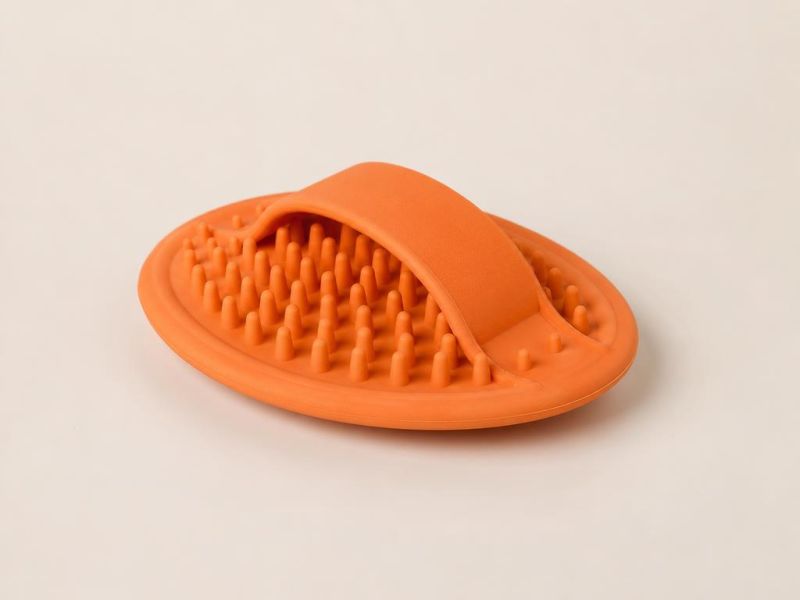
AI image: the real product may vary Rubber brush for short coats
Short coats don't need an arsenal: a rubber brush in the tub and done — massage and de-shedding in one.
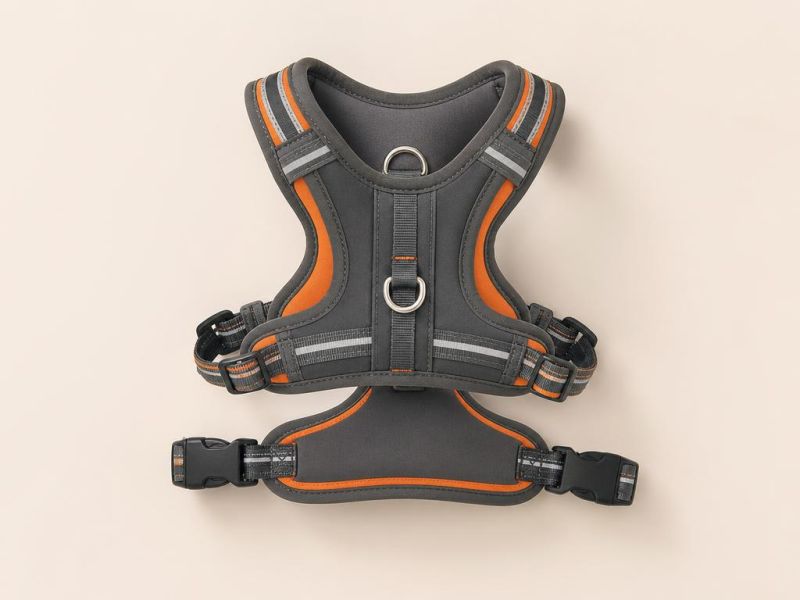
AI image: the real product may vary Front-clip (no-pull) harness
If the walk looks like water skiing, the chest clip redirects without hurting. It doesn't replace training, but it gives you control while training arrives.
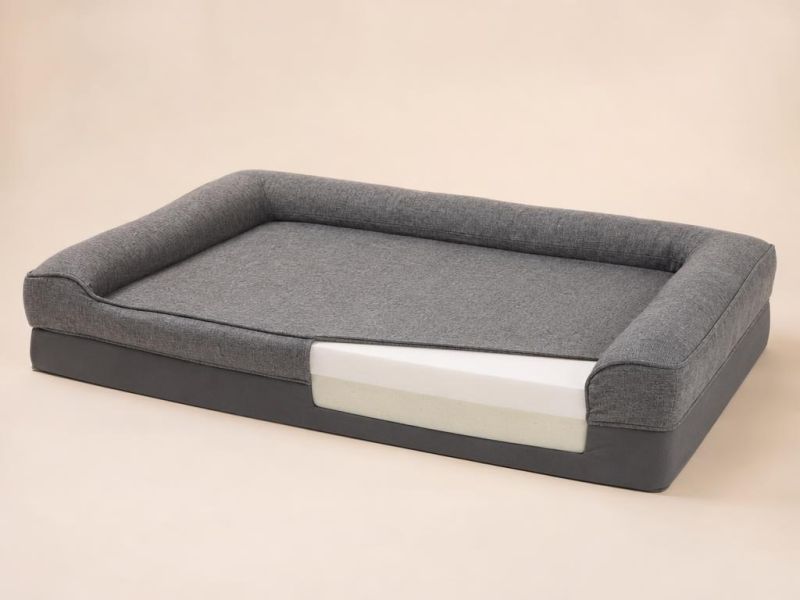
AI image: the real product may vary Large orthopedic bed
For large gentlemen: a big dog's joints appreciate real foam, not a soggy mat.

AI image: the real product may vary Soft training treats
Tiny, soft and heavenly-smelling: in training you pay fast and often, not with a five-minute biscuit.
What people ask
Frequently asked questions about the Saint Bernard
How big does a Saint Bernard get?
An adult Saint Bernard stands 64–71 cm at the withers and weighs 54.4–90.7 kg.
Does the Saint Bernard need a lot of exercise?
The Saint Bernard scores 3 out of 5 on “Energy”: right in the middle of the scale. On that scale, 1 is “couch potato” and 5 is “marathoner”.
Is the Saint Bernard good with kids?
The Saint Bernard scores 5 out of 5 on “With kids”: excellent. On that scale, 1 is “better without kids” and 5 is “excellent”. Even with a 5, no dog should be left alone with small children: supervising them is the adult's job.
Does the Saint Bernard get along with other dogs?
The Saint Bernard scores 3 out of 5 on “With other dogs”: right in the middle of the scale. On that scale, 1 is “lone wolf” and 5 is “life of the dog park”.
Is the Saint Bernard easy to train?
The Saint Bernard scores 3 out of 5 on “Trainability”: right in the middle of the scale. On that scale, 1 is “negotiates every command” and 5 is “learns on the fly”.
Does the Saint Bernard bark a lot?
The Saint Bernard scores 1 out of 5 on “Barking”: nearly silent. On that scale, 1 is “nearly silent” and 5 is “reports everything”.
Is the Saint Bernard a good guard dog?
The Saint Bernard scores 5 out of 5 on “Guarding instinct”: born guardian. On that scale, 1 is “not a guardian” and 5 is “born guardian”.
Does the Saint Bernard shed a lot?
The Saint Bernard scores 3 out of 5 on “Shedding”: right in the middle of the scale. On that scale, 1 is “barely sheds” and 5 is “hair everywhere”.
Can a Saint Bernard live in an apartment?
The Saint Bernard scores 4 out of 5 on “Adaptability”: settles anywhere. On that scale, 1 is “needs its space and routine” and 5 is “settles anywhere”. An apartment is fine, being shut in is not: every dog needs to get out every day.
Health
We only publish each breed's health topics after reviewing them carefully. We guide you, but we're not your vet: if something about your dog worries you, the internet doesn't replace a visit to the vet.